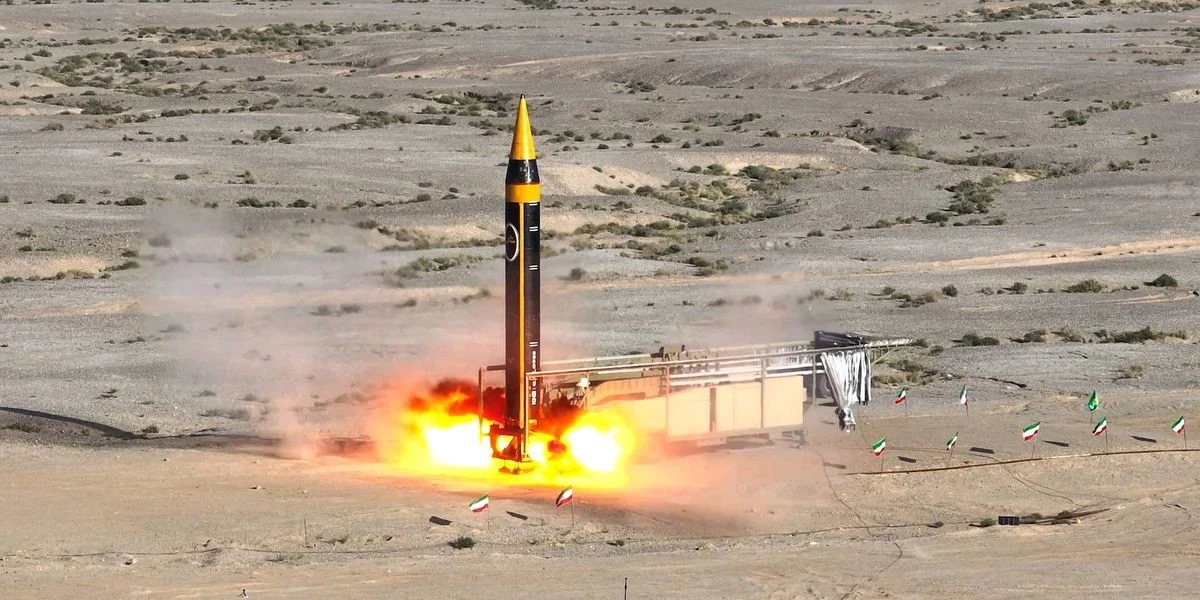

A missile launch can change the geopolitical landscape in an instant, sparking fears and uncertainty. But what if, despite the alarming headlines, a potential conflict is averted before it even begins? In a region already tense, an Iranian missile heading towards Turkish airspace was intercepted by NATO defenses, preventing a highly dangerous escalation. This event is a stark reminder of the delicate balance of power in the Middle East and the vital role of alliances in maintaining security.
The intercepted threat: a moment of tension
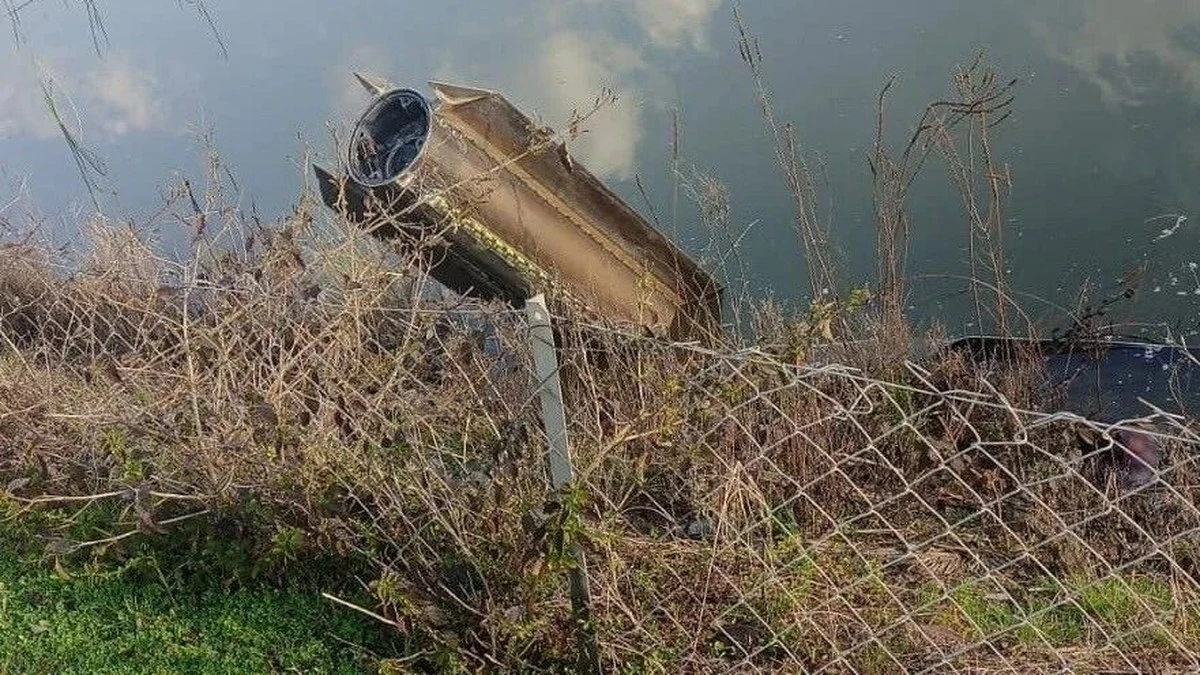
On a seemingly ordinary day, the skies over the Eastern Mediterranean became the stage for a high-stakes drama. An Iranian ballistic missile, after traversing Iraqi and Syrian airspace, was detected on a trajectory that threatened Turkish territory. The Turkish Ministry of Defense confirmed the interception, stating that NATO’s air defense systems successfully neutralized the threat in mid-air. Fortunately, no casualties or injuries were reported, but the incident sent shockwaves through diplomatic circles.
NATO’s decisive action
This event underscores the crucial role of NATO in regional security. The rapid and effective response of the alliance’s air defenses prevented a direct confrontation and a potential wider conflict. Turkey, as a key NATO member bordering volatile regions, reiterated its commitment to regional stability while emphasizing its unequivocal capability to defend its territory and citizens.
Turkey’s firm stance
The Turkish Ministry of Defense issued a strong statement, making it clear that Ankara is prepared to take all necessary measures to protect its airspace and sovereignty. “All necessary steps will be taken decisively and without hesitation to protect our territory and airspace,” the ministry declared. This firm position signals Turkey’s resolve in the face of any hostile act, while also extending a call for de-escalation to all parties involved, urging them to refrain from actions that could further inflame the region.
Diplomatic dialogues await
Following this serious incident, Turkey announced its intention to engage in discussions with NATO and its allies. These talks will be crucial to analyze the event, assess the implications, and coordinate future strategies to prevent similar occurrences. The need for open communication and a united front among allies has never been more apparent.
A wider conflict avoided, for now
This missile interception comes at a time of heightened regional tensions. The recent escalation following US-Israel attacks has seen Iran retaliate, striking Gulf states hosting American bases, and Israel targeting Hezbollah positions in Lebanon. Turkey, a neighbor to Iran and a NATO member itself, had previously urged both Washington and Tehran to reach agreements on Iran’s nuclear program and missile capabilities, warning that the region could not afford further destabilization.
What this means for YOU
While the immediate threat was neutralized, the incident serves as a powerful reminder of how quickly geopolitical events can unfold. For those of us living in regions potentially affected by such conflicts, understanding the dynamics at play is crucial. The “coffee filter” metaphor for data security applies here too: alliances like NATO act as filters, catching and neutralizing threats before they can impact the general population. However, this doesn’t negate the need for vigilance and a deeper understanding of the complex international relations that shape our world. This event highlights the importance of our own country’s foreign policy and its alliances in ensuring our safety. Are you concerned about how these international tensions might affect our daily lives?
What action do you think should be taken next?